Did you know 81% of buyers research brands independently before contacting sales teams? Salesforce’s latest data reveals a game-changing truth: modern customers arrive armed with information, rewiring how businesses approach growth.
This shift means your marketing strategy can’t rely on outdated tactics. You’re not just chasing contacts – you’re shaping how audiences discover and trust your brand long before they’re ready to buy.
We’ll simplify the complex choice between two powerhouse approaches. One builds lasting awareness, while the other converts ready-to-act prospects. Which fits your company’s stage and goals?
Through real-world examples and clear comparisons, you’ll discover how to:
– Align efforts with today’s self-guided buyers
– Avoid costly mismatches between tactics and objectives
– Create campaigns that grow with your organization
By the end, you’ll know exactly where to focus resources for maximum impact. Let’s cut through the noise and find your perfect growth formula.
Understanding the Basics of Demand and Lead Generation
At the core of every successful marketing plan lie two fundamental approaches. One plants seeds for future growth, while the other harvests ready opportunities. Let’s break down how these strategies work in practice.
Defining Demand Generation
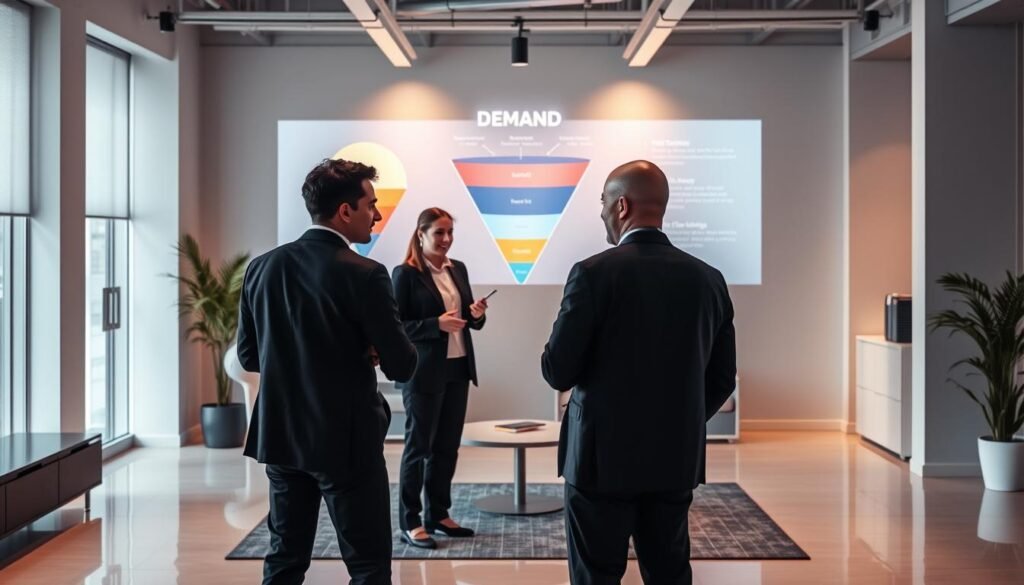
This approach acts like a megaphone for your brand. It’s about sparking curiosity in people who haven’t yet realized they need your solution. A sneaker company might partner with athletes to create buzz through viral videos – no direct sales pitch, just pure excitement.
Key characteristics include:
- Educational blog posts that answer common questions
- Social media campaigns showcasing product benefits
- Webinars addressing industry challenges
Defining Lead Generation
Here’s where interested prospects become tangible opportunities. Using our sneaker example, this happens when retailers post Instagram Stories saying “Available now!” with a link to purchase. The focus shifts to capturing contact details through:
- Email newsletter sign-ups
- Free trial offers
- Product demo requests
While demand generation builds bridges, lead generation invites people to cross them. Both strategies work best when aligned with your audience’s journey from discovery to decision.
Key Differences in Goals and Tactics
While both strategies drive growth, their targets and timelines couldn’t be more different. Think of them as two gears in your marketing engine – one creates momentum, the other converts it into motion.
What Demand Aims to Achieve
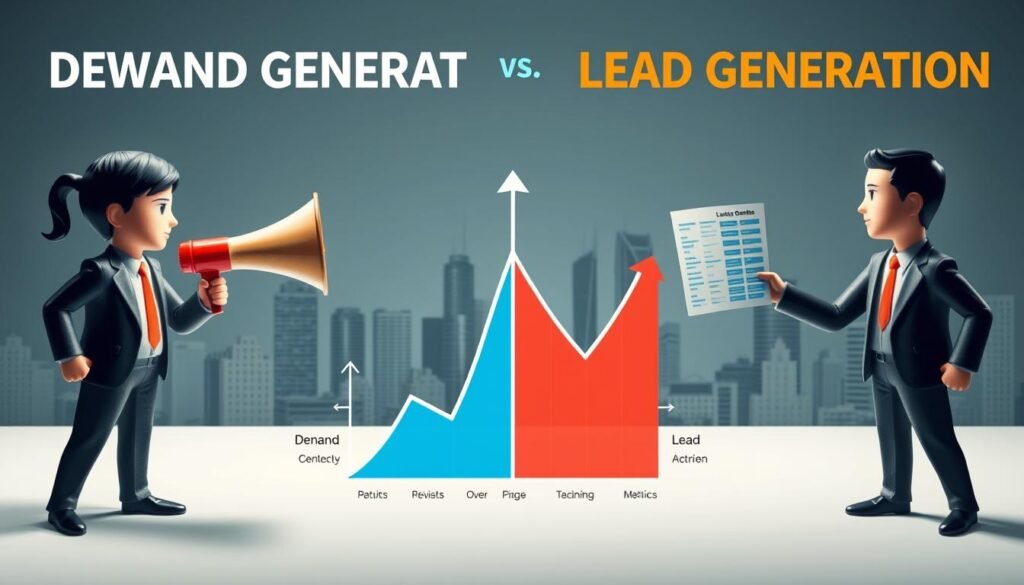
This strategy focuses on planting seeds. You’re educating people who might not know your solution exists. A cybersecurity firm could publish free threat detection guides to establish expertise. Key priorities include:
- Growing your audience through valuable content
- Positioning your team as trusted advisors
- Creating entry points for future conversions
What Lead Conversion Targets
Here’s where interest becomes action. Using the same cybersecurity example, this might involve offering a risk assessment tool in exchange for contact details. The focus shifts to:
- Turning engaged visitors into contacts
- Personalizing follow-up communications
- Tracking readiness to purchase
| Strategy | Focus | Time Horizon | Key Activities |
|---|---|---|---|
| Demand | Awareness & Education | 6-12 months | Blogs, webinars, social campaigns |
| Lead | Conversion & Nurturing | 0-3 months | Email captures, demos, offers |
The sweet spot? Use demand tactics to fill your pipeline, then lead strategies to guide prospects toward decisions. Companies that balance both see 27% faster revenue growth (HubSpot 2023).
The Evolving B2B Buyer Journey
Modern B2B buyers aren’t following old paths. They’re charting their own routes through your sales funnel, comparing solutions across multiple touchpoints. Your strategies must adapt to this nonlinear journey where 67% of decisions happen before prospects contact vendors (Gartner).
Top-of-Funnel Strategies
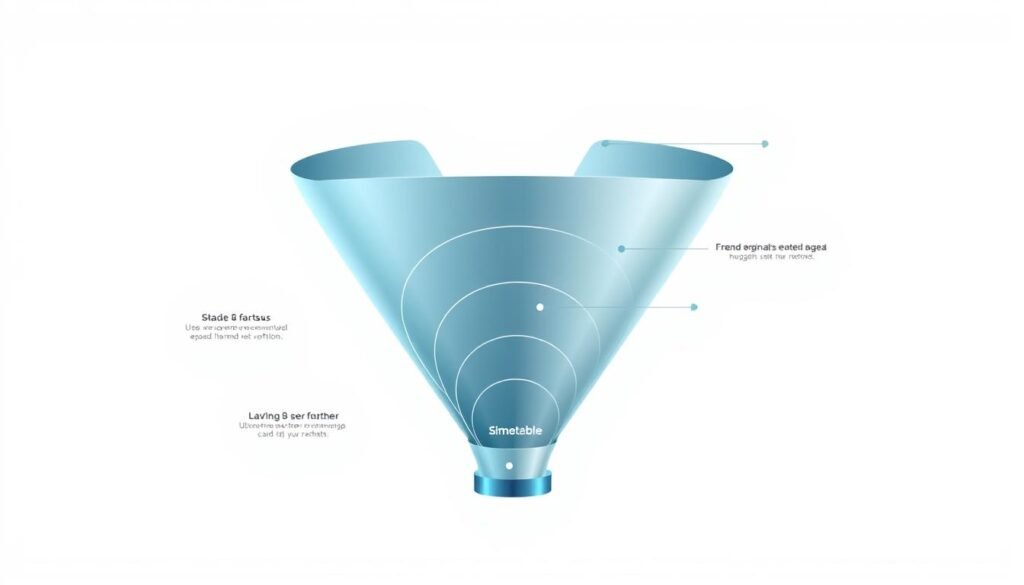
Start by earning trust early. Create guides that answer “What problem do I have?” instead of “Why our product?”. For example, a cloud storage company might offer free data security checklists rather than product brochures.
Effective approaches include:
- Interactive tools addressing common challenges
- Industry trend reports with actionable insights
- Podcasts featuring neutral third-party experts
Mid-to-Lower Funnel Conversions
When prospects reach this stage, they’re comparing specific solutions. Offer comparison charts showing how your features solve their unique needs. A CRM provider could share case studies demonstrating 40% faster deal closures.
Prioritize these tactics:
- Personalized ROI calculators
- Tailored demo videos
- Limited-time consultation offers
| Funnel Stage | Focus | Content Types | Key Metrics |
|---|---|---|---|
| Top | Awareness | Guides, Webinars | Traffic Growth |
| Mid/Lower | Decision | Demos, Trials | Conversion Rate |
Aligning these stages creates a seamless journey. Marketing teams track early interactions, while sales uses this data to personalize later conversations. This synergy reduces friction as buyers move through your process.
Social Media and Content Marketing for Brand Awareness
Social platforms have transformed how businesses connect with decision-makers. With LinkedIn hosting over one billion professionals, it’s become a goldmine for building brand awareness through authentic engagement. You’re not just posting content here – you’re starting conversations that position your company as an industry leader.

SEO-Backed Content Strategies
Your content strategy needs two superpowers: search engine visibility and genuine helpfulness. Start by creating ungated resources like troubleshooting guides or comparison checklists. These tools answer pressing questions while naturally incorporating keywords your audience searches for.
Mix up formats to keep audiences engaged. Short explainer videos work well on LinkedIn feeds, while in-depth case studies thrive on your blog. FAQ pages addressing common industry pain points often rank highly in search results, driving organic traffic.
Smart social media marketing means joining discussions, not just broadcasting. Comment on trending industry posts with data-backed insights. Share success stories from clients (with their permission) to demonstrate real-world impact. This approach builds trust faster than traditional advertising.
Remember, every piece of content should educate first and promote second. When you consistently deliver value without strings attached, you create loyal followers who’ll later become qualified leads.
Integrating Demand and Lead Generation in Your Sales Funnel
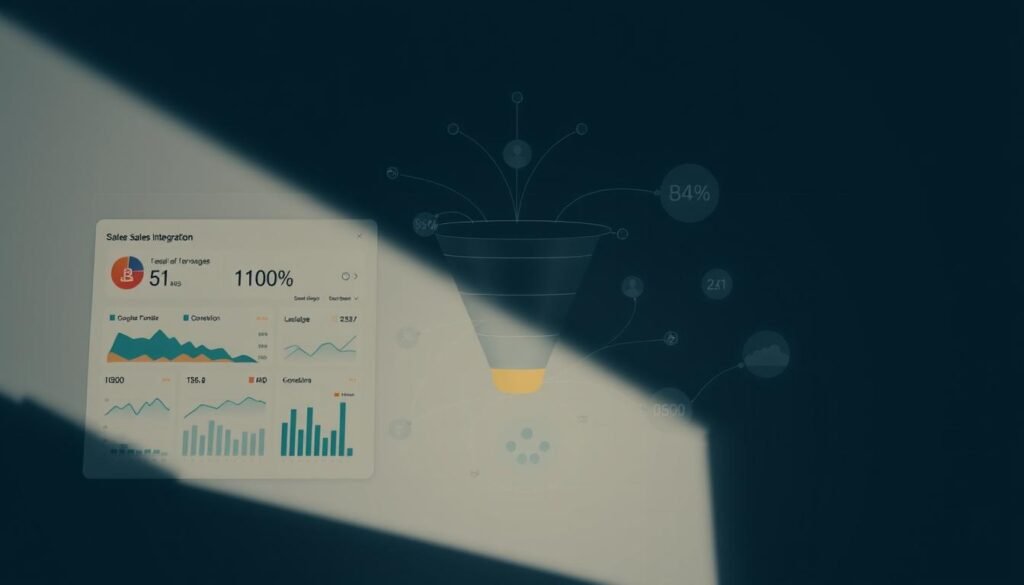
Imagine your marketing and sales teams working like a well-oiled machine. When these groups align, you create a seamless path that turns curious visitors into loyal customers. The magic happens when awareness-building efforts fuel your conversion engines.
Creating Synergy Between Teams
Break down silos by sharing data between departments. Marketing can track which content pieces drive the most qualified leads, while sales provides feedback on prospect pain points. This collaboration helps refine messaging across your entire funnel.
Workiva’s strategy shows the power of teamwork. By analyzing webinar Q&A sessions, their marketing team created targeted content that boosted sales-accepted leads by 35% year-over-year. Their sales reps then used these insights to address common objections faster.
Proven Success Stories
Invesco transformed webinar attendance into action. Strategic call-to-action placements and automated Salesforce follow-ups generated 3x more leads per event. They nurtured these contacts with personalized content based on attendee engagement levels.
Autodesk’s integrated approach delivered impressive results: 10% faster deal closures and 12x pipeline ROI. Their secret? Aligning top-funnel educational content with mid-funnel product comparisons created a frictionless journey from discovery to purchase.
These examples prove that blending strategies creates compounding results. Your content builds trust, while targeted offers convert that trust into measurable growth.
Optimizing for Better Lead Quality and Conversion
What separates tire-kickers from serious buyers in your pipeline? The answer lies in smart qualification systems that prioritize high-potential prospects. Quality-focused lead generation acts like a precision filter, ensuring your sales team spends time on contacts most likely to convert.

Start by offering gated resources that solve specific problems. Exclusive webinars about industry regulations or detailed whitepapers on technical challenges work best. These assets naturally attract decision-makers willing to share contact information for valuable insights.
Implement a lead scoring model that tracks three key factors:
- Content engagement frequency
- Job title relevance
- Website visit patterns
| Lead Scoring Factor | Data Source | Conversion Impact |
|---|---|---|
| Content Downloads | Marketing Automation | +42% |
| Page Views | Google Analytics | +28% |
| Email Opens | CRM System | +19% |
Marketing Qualified Leads (MQLs) should demonstrate clear buying signals. A prospect who attends two webinars and downloads your pricing guide is 5x more likely to purchase than someone who only subscribed to your newsletter.
Refine your capture forms to collect essential details without frustrating users. Ask for role-specific information instead of generic fields. “Which solution interests you?” performs better than “Job title” alone.
Deep Dive: demand gen vs lead gen Strategies
Picture your marketing efforts as a well-conducted orchestra. When awareness-building and conversion tactics play in harmony, they create results greater than any single instrument could achieve alone. The secret lies in designing campaigns that naturally guide prospects from discovery to action.
Blending Educational and Conversion Content
Start by creating educational blog posts that solve common industry problems. These ungated resources build trust while subtly introducing your expertise. For example, a project management software company might offer free workflow templates before promoting premium features.
Track how visitors engage with this content. When someone downloads three guides or watches multiple explainer videos, they’re signaling readiness for deeper engagement. That’s your cue to present targeted offers like:
- Customized ROI calculators
- Live Q&A sessions with experts
- Personalized demo scheduling
This approach maintains momentum without overwhelming prospects. Analytics reveal which content pieces drive the most qualified leads, letting you refine both awareness and conversion efforts simultaneously.
| Content Type | Audience Stage | Conversion Goal |
|---|---|---|
| Industry Reports | Discovery | Email Sign-ups |
| Case Studies | Evaluation | Demo Requests |
| Pricing Guides | Decision | Sales Calls |
By mapping content to buyer journey stages, you create natural handoffs between strategies. Prospects feel supported rather than sold to, increasing conversion rates by up to 47% according to recent MarketingProfs data.
Employing Data and AI to Enhance Campaign Performance
Your campaigns become smarter when data and artificial intelligence work together. Tools like Leadfeeder analyze website visitors in real time, showing which companies explore your pricing page or read blogs. These insights help you focus on prospects actively researching solutions.
Utilizing Analytics to Refine Tactics
Website tracking reveals hidden opportunities. Custom filters highlight visitors who view multiple pages or return frequently. For example, a company checking your case studies after reading a blog post signals strong interest. Use this information to tailor follow-up emails or content recommendations.
Predictive Lead Scoring and Insights
AI-powered systems predict which leads will convert based on behavior patterns. They analyze engagement frequency, content preferences, and browsing history to prioritize contacts. Platforms like 6sense automatically update scores as prospects interact with your site, ensuring your team always targets the hottest opportunities first.
Combine these approaches to create campaigns that adapt as your audience evolves. You’ll spend less time guessing and more time connecting with ready-to-buy prospects.