
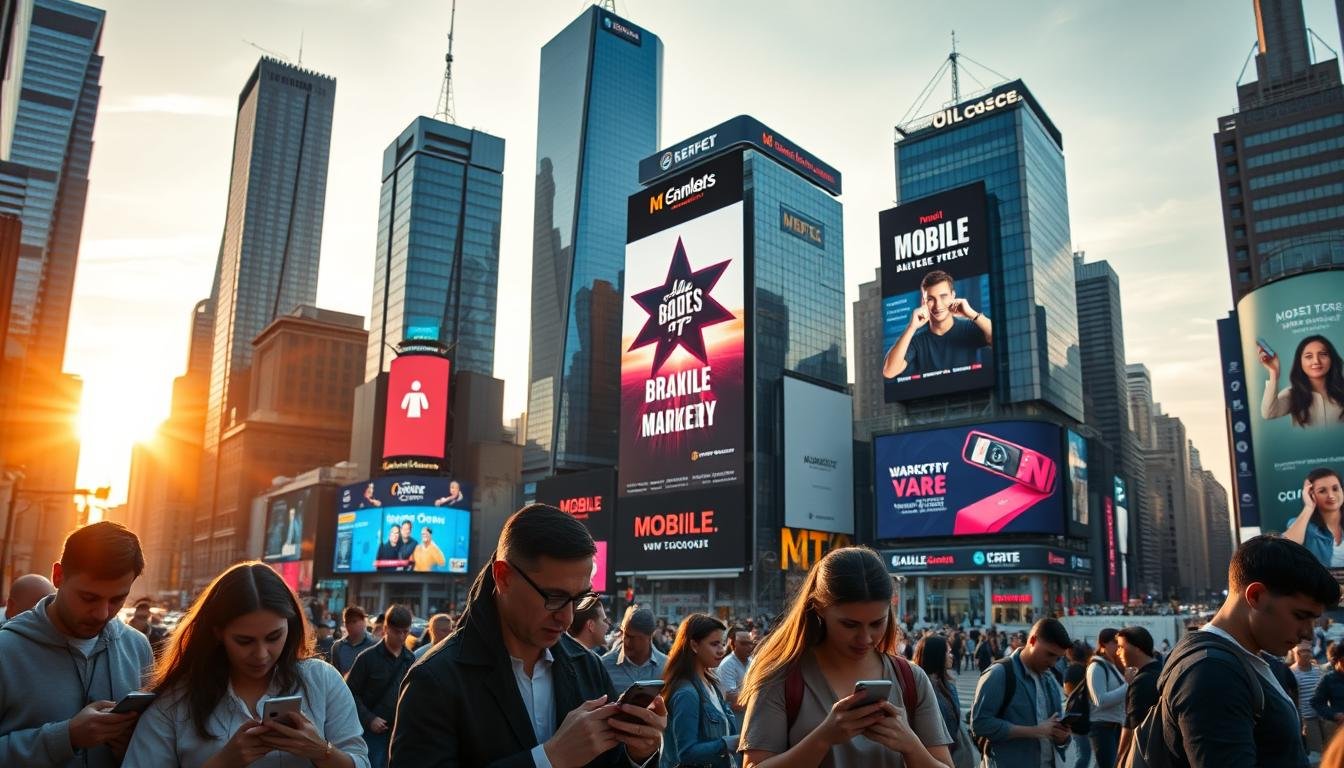
Did you know Americans collectively check their smartphones over 13 billion times daily? With 91.4 million devices in use nationwide, these pocket-sized screens now drive over half of all internet traffic. This isn’t just a trend—it’s a seismic shift in how people discover brands, shop, and interact online.
Your customers aren’t just using their phones. They’re living through them. From morning scrolls to late-night purchases, handheld gadgets have become extensions of daily routines. Think about it: 150 daily glances at a screen add up to 54,000 micro-moments yearly where your audience could engage with your brand.
This revolution goes beyond gadgets. It’s about reshaping expectations. People now demand instant answers, frictionless experiences, and content tailored to their fingertips. If your strategies still treat smartphones as secondary, you’re missing the heartbeat of modern consumer behavior.
The stakes are clear. Companies that prioritize mobile-first approaches see 3x higher engagement rates compared to desktop-focused campaigns. Why? Because you’re meeting audiences where they already are—immersed in a world where every interaction happens at thumb’s reach.
Your next move? Recognize that these devices aren’t just tools. They’re the primary lens through which your audience views the digital landscape. Adapting to this reality isn’t optional—it’s the key to staying relevant in a constantly connected world.
Introduction to the Mobile-First Era
The average person now spends more time interacting with their handheld screens than with desktop computers. This shift has transformed how brands connect with audiences—your strategies must evolve or risk becoming invisible.
Mobile as a Catalyst for Change
Your audience doesn’t just use smartphones—they rely on them like oxygen. Over 80% of web searches start on these pocket-sized devices, with 72% of consumers making purchase decisions during their commute or lunch breaks. This constant connectivity creates endless touchpoints for engagement.
Think about morning routines. People check weather updates, read news alerts, and scroll social feeds—all before breakfast. These micro-moments add up to hours of daily screen time where your content could make an impact.
Current Trends in Consumer Behavior
Today’s users expect answers before they finish typing questions. They compare prices while standing in store aisles and watch product videos during TV commercials. If your site takes three seconds to load, 53% will abandon it—patience wears thin on small screens.
Your success hinges on recognizing patterns. Evening hours see spikes in entertainment searches, while lunchtimes explode with food delivery queries. Tailor your messaging to these rhythms, and you’ll ride the wave of spontaneous decision-making.
Remember: every scroll, tap, and swipe reveals preferences. Smart brands use this data to deliver hyper-relevant experiences that feel less like ads and more like helpful suggestions from a friend.
The Evolution of Mobile Devices in Today’s Digital World
Global adoption of handheld gadgets reached a staggering 15 billion units in 2021—enough for nearly two per person on Earth. By 2025, experts predict this number will surge to 18 billion devices, reshaping how people work, shop, and connect.
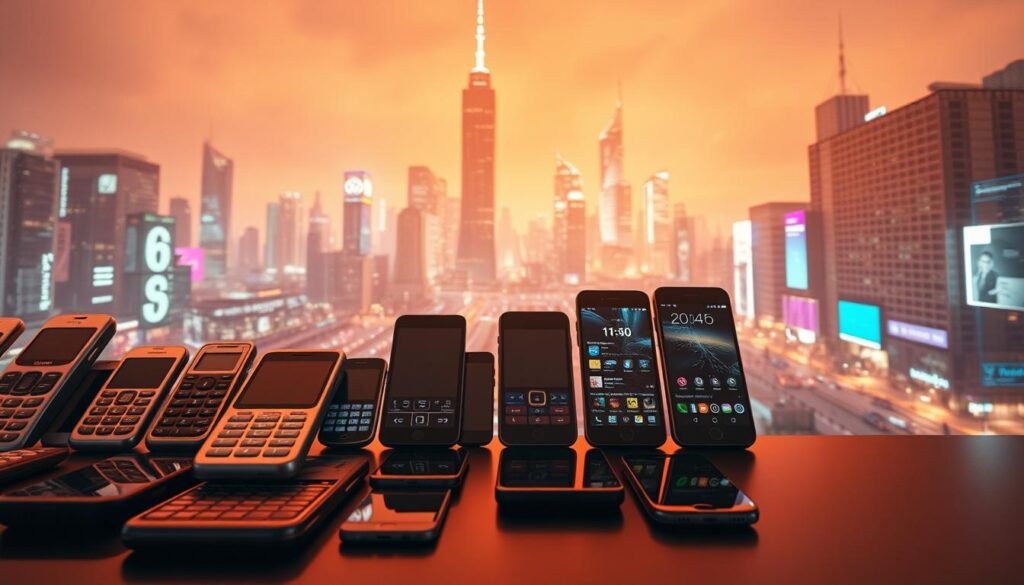
Your customers carry more processing capability in their pockets than NASA used for the first moon landing. This power fuels instant price comparisons, augmented reality try-ons, and voice-activated purchases—experiences that felt like science fiction just 15 years ago.
Modern phones now serve as entertainment hubs, payment terminals, and productivity suites. The average user interacts with 10 apps daily, spending four hours streaming videos, managing finances, or collaborating with teams. These pocket-sized computers have become indispensable life organizers.
Your approach needs to consider wearables, tablets, and foldable screens alongside traditional smartphones. Each device type offers unique engagement opportunities—smartwatches deliver glanceable updates, while larger screens enable immersive product exploration.
These gadgets offer built-in tools you can harness creatively. Location data helps suggest nearby deals, while camera integrations let users visualize furniture in their homes. Sensors even enable gesture-based navigation for hands-free interactions.
The boundaries between handheld gadgets and other technologies keep dissolving. Voice assistants sync across smart speakers and car dashboards, while fitness trackers share data with health apps. This interconnectedness creates seamless experiences that follow users everywhere.
Leveraging mobile technology in digital marketing
What happens when someone reaches for their phone 150 times daily? Each glance creates a critical window—what experts call micro-moments—where decisions form faster than you can type “buy now.” These split-second interactions redefine how brands connect with audiences.

Understanding Micro-Moments and Customer Expectations
Your audience expects answers before they finish thinking. Over half will leave a page that loads slower than three seconds. Why? 53% of shoppers prioritize speed over brand loyalty during these urgent needs.
Map journeys around common triggers. Lunchtime food searches differ from bedtime product research. Tailor your content to solve immediate problems, like showing menu specials at noon or mattress comparisons at 10 PM.
Capitalizing on Mobile-Driven Behaviors
Local searches explode during commutes—”coffee near me” peaks at 8:15 AM. Optimize listings with real-time inventory updates and one-click directions. Users searching nearby businesses convert 28% faster than desktop researchers.
Turn fleeting interest into action. Click-to-call buttons reduce friction for service inquiries. GPS-powered coupons tempt commuters passing your store. Sync these tactics with behavioral patterns for maximum impact.
Remember: effective strategies treat handheld screens as decision accelerators. Every tap reveals intent—your job is to meet that need before the moment passes.
Designing Mobile-Friendly Websites and Content Strategies
Imagine losing half your audience in three seconds. That’s the reality if your site struggles with slow load times or clunky layouts. Today’s on-the-go visitors demand seamless interactions—your strategy must deliver or disappear.

Responsive Design and Fast Loading Speeds
Your website needs to adapt like water. Responsive design ensures your pages flow perfectly across screens—whether someone’s scrolling on a tablet or tapping a smartphone. 53% of visitors bounce if pages take longer than three seconds to load. Compress images, leverage browser caching, and minimize code to keep speeds lightning-fast.
Test across devices religiously. Buttons too small? Menus confusing? Fix these friction points before they cost you conversions. Remember: consistency builds trust. A smooth experience on any gadget keeps users engaged and reduces exit rates.
Creating Concise, Mobile-Optimized Content
Trim the fat. Mobile screens demand punchy headlines, bullet points, and visuals that load instantly. Break long paragraphs into snackable chunks—two sentences max. Use subheadings as guideposts for skimmers racing through your content.
Prioritize vertical videos and square images. They dominate smaller screens without awkward cropping. Every element should serve a purpose: answer questions quickly, solve problems immediately, or inspire action effortlessly. Your call-to-action buttons? Make them thumb-sized and impossible to miss.
Start designing for pocket-sized screens first. This approach forces clarity and prioritizes what truly matters to your audience. Then scale up—don’t shrink down—for larger devices.
Strategies for Mobile Advertising and App Marketing
Reaching audiences through their screens requires smarter approaches than traditional ads. Platforms now offer formats designed for quick consumption—like native placements that match surrounding content and snackable videos under 15 seconds. These methods respect user attention while delivering your message effectively.

Engaging Push Notifications and Native Ads
Your alerts should feel like helpful reminders, not interruptions. A study shows personalized notifications get 72% higher engagement when tied to location or past behavior. Send lunch specials at noon to office workers, not midnight.
Native ads thrive by blending in. Imagine sponsored articles matching a blog’s style or product listings resembling social posts. This subtlety reduces ad-blocker use while maintaining brand visibility. Pair these with short videos that auto-play silently—perfect for commuters scrolling quickly.
Maximizing Mobile App Experiences
Apps succeed when they solve specific problems. A coffee chain’s app with one-tap ordering and store navigation sees 3x more repeat orders than web users. Focus on features that simplify tasks—not flashy gimmicks.
Retarget past visitors across platforms using geofencing. Someone who browsed sneakers gets a coupon when near your store. Track actions like wishlist adds rather than vague clicks. This precision turns casual interest into confirmed sales.
Balance is key. Too many ads drive uninstalls, but thoughtful placements build loyalty. Measure what matters—app opens, purchase history, and customer lifetime value reveal true impact.
Embracing Interactive Content Through Mobile Channels
Scrolling through feeds has become the new window shopping. Your audience craves bite-sized stories that educate, entertain, and inspire action—all within thumb-scroll territory. This shift demands content that feels less like broadcasting and more like a two-way conversation.
Visual Storytelling and Video Content
Vertical videos dominate attention spans, filling screens without awkward rotations. Platforms like Instagram Stories and TikTok prove 9:16 aspect ratios boost completion rates by 35% compared to landscape formats. Add text overlays and captions—62% watch videos on mute during commutes or lunch breaks.
Interactive quizzes turn passive viewers into participants. A skincare brand asking “What’s Your Skin Type?” collects data while educating customers. These tools reveal preferences better than any survey—users willingly share insights when having fun.
Augmented reality transforms browsing into experiences. Imagine letting shoppers “place” furniture in their living rooms using camera views. Brands using AR see 40% longer engagement as users explore products from every angle.
Track what matters. Completion rates for video tutorials? Poll responses about favorite features? These metrics show real interest. User-generated content campaigns multiply reach—people trust peer reviews 12x more than branded messages.
Integrating Social Media and SMS for Enhanced Reach
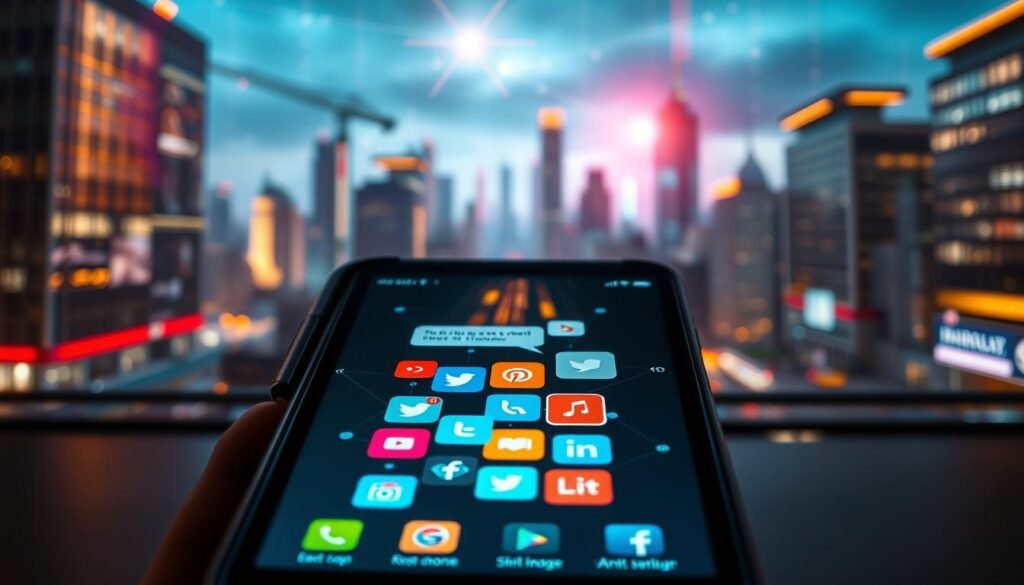
Your audience’s pocket buzzes with opportunity—over 90% of consumers prefer texting with businesses. Combine this with social platforms where users spend 2.5 hours daily, and you’ve got a recipe for unmatched engagement. These channels work best when synchronized, creating touchpoints that feel personal yet scalable.
Effective Text Message Marketing
Text campaigns thrive on urgency and relevance. Send flash sales at 11 AM when productivity lags, or appointment reminders 24 hours beforehand. 19% click-through rates prove messages beat emails when timed right. Always include clear opt-out options—nobody likes feeling trapped in a conversation.
Social Engagement and Community Building
Platforms like TikTok demand vertical videos, while Instagram Stories favor quick polls. Tailor content formats to each space. A fitness brand might post workout clips on Reels but share recipes in Facebook groups. Respond to comments within an hour—speed builds trust faster than polished replies.
| Platform | Open Rate | Best For | Optimal Post Time |
|---|---|---|---|
| SMS | 98% | Time-sensitive offers | Weekday afternoons |
| 72% | Visual storytelling | 7-9 PM | |
| 64% | Community discussions | 12-2 PM |
Merge these channels strategically. Run a giveaway on social media that requires SMS sign-ups. Share user-generated posts via text to spark conversations. This cross-pollination turns casual followers into brand advocates.
Harnessing Mobile Marketing Automation and Analytics
Behind every successful campaign lies a wealth of data waiting to be unlocked. Automation tools now handle repetitive tasks, letting you focus on crafting experiences that resonate. The real magic happens when patterns emerge—showing exactly when, where, and how audiences engage.
Leveraging Data-Driven Insights
Your analytics dashboard is a goldmine. Track which campaigns drive late-night purchases versus morning browsing spikes. Use heatmaps to spot where thumbs hover longest on screens—then optimize layouts accordingly.
Smart tools predict what customers want next. A clothing retailer might notice shoppers abandoning carts when sizing info’s missing. Fix that gap, and watch conversions climb. These insights turn guesswork into precision.
Test different approaches relentlessly. Run A/B tests on push notification timing or email subject lines. Winners get scaled; losers teach valuable lessons. This cycle keeps strategies fresh and responsive to shifting behaviors.
Remember: data without action is just numbers. Pair analytics with creativity to build campaigns that feel personal yet scalable. When you listen to the numbers, they’ll show you how to earn loyalty—one informed decision at a time.